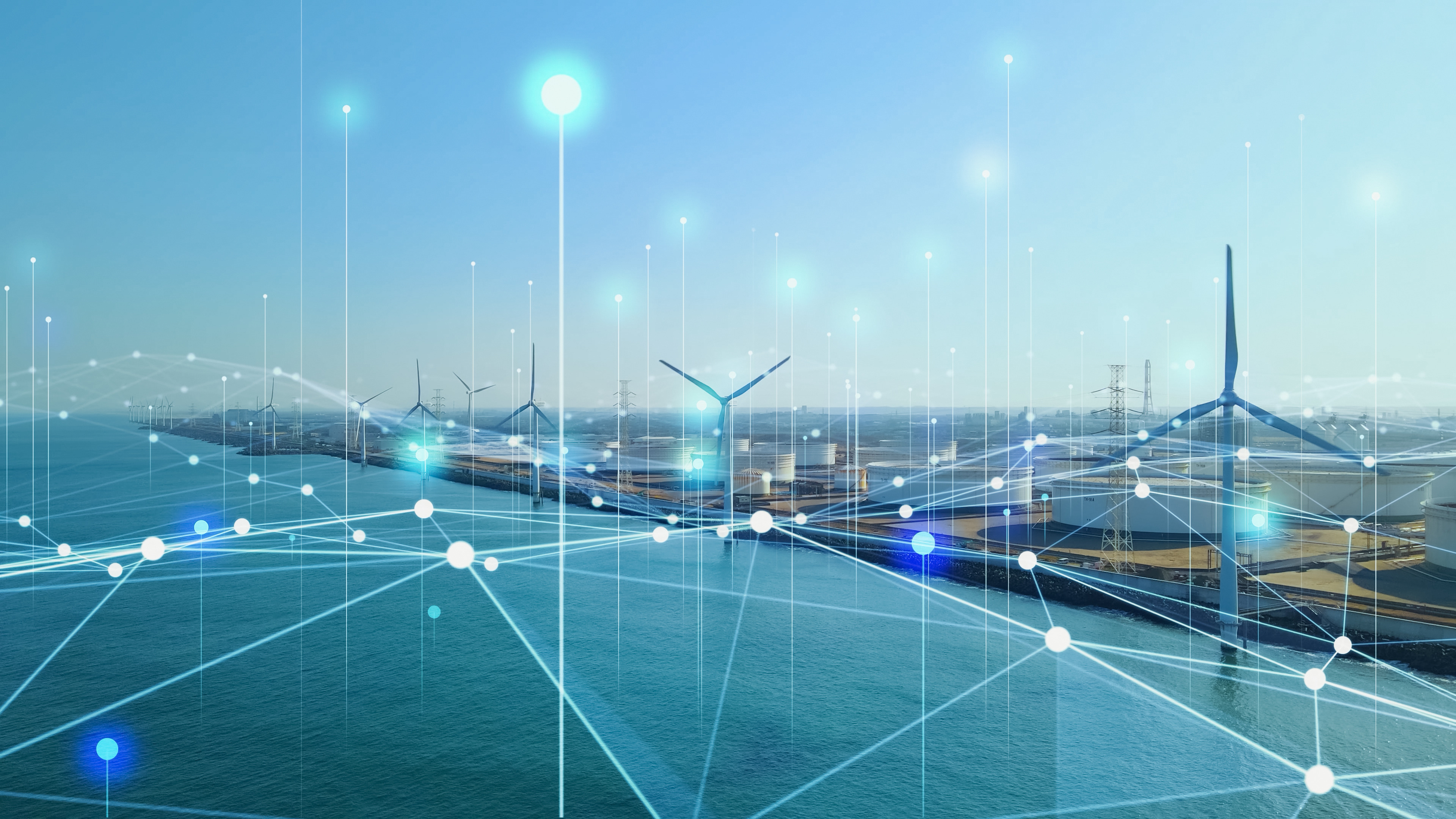
Demand for electricity has increased sharply in recent years, causing stress on existing transmission and generation infrastructures. To sustain communities and industry, scalable solutions to increase and modernize electric production, generation, and transmission, and the policies and utilities that regulate and support them, will need to be found.
Electrification Solutions researchers develop practical, scalable solutions tailored to local community needs, as well as regional, state, and national goals. Faculty involved in this thrust use their interdisciplinary expertise to develop technology and policy interventions that can address the novel energy challenges and goals in a range of communities as their utility and industry partners resolve multifaceted challenges in ensuring affordable, reliable electricity delivery to communities. These solutions draw on interdisciplinary approaches and multihazard modeling techniques and include inter-related infrastructure and systems such as water, buildings, transportation, and energy.
Research areas include:
- Distributed (local) energy generation and storage needs
- Possible configurations and requirements for local grid flexibility, adaptation, and upgrades
- Exploring efficiencies and innovation in AI data centers
- Development of analytical tools to assess regional and individual electrification project needs
- Colocation of systems to increase efficiencies and lower costs to communities
- Growth of policy solutions that coordinate across sectors with the goal of reducing adoption barriers and incorporating diverse user perspectives that are tailored to local socio-economics, environmental and health conditions, and cultural concerns